


summary
“Rolex and Omega are two legendary watchmakers offering a blend of history, craftsmanship, and innovation. While Rolex excels in timeless elegance and investment potential, Omega stands out for technical advancements and versatility. This Rolex vs. Omega guide compares their iconic models, design philosophies, and cultural significance to help you decide which brand aligns with your style, budget, and needs.”
When discussing luxury watches, Rolex and Omega are often regarded as top contenders. Both brands represent the pinnacle of craftsmanship, heritage, and innovation, yet each offers a unique approach to watchmaking. This article explores the history, design, craftsmanship, comfort, cultural significance, and affordability of Rolex and Omega to help you decide which brand suits you best.
A Tale of Two Legends
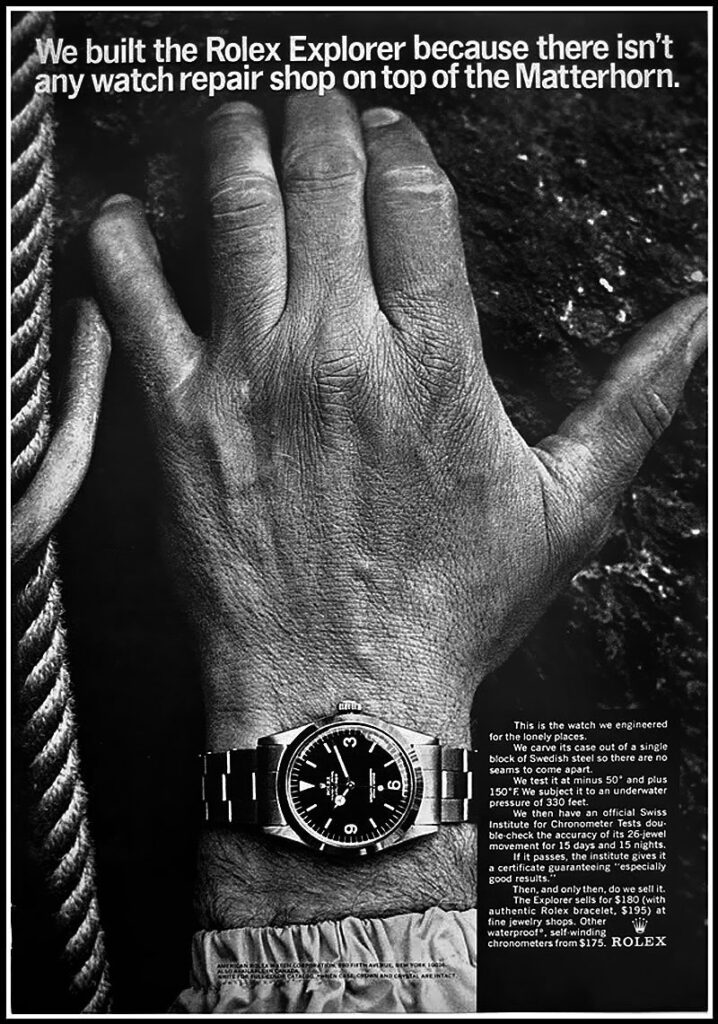
Rolex was founded in 1905 by Hans Wilsdorf and Alfred Davis in London, later moving to Geneva, Switzerland. It quickly became synonymous with precision and durability. Rolex pioneered several groundbreaking innovations, such as the first waterproof watch, the Rolex Oyster, in 1926, and the first self-winding watch mechanism. The brand embodies timeless elegance, and its watches are often seen as a symbol of success.
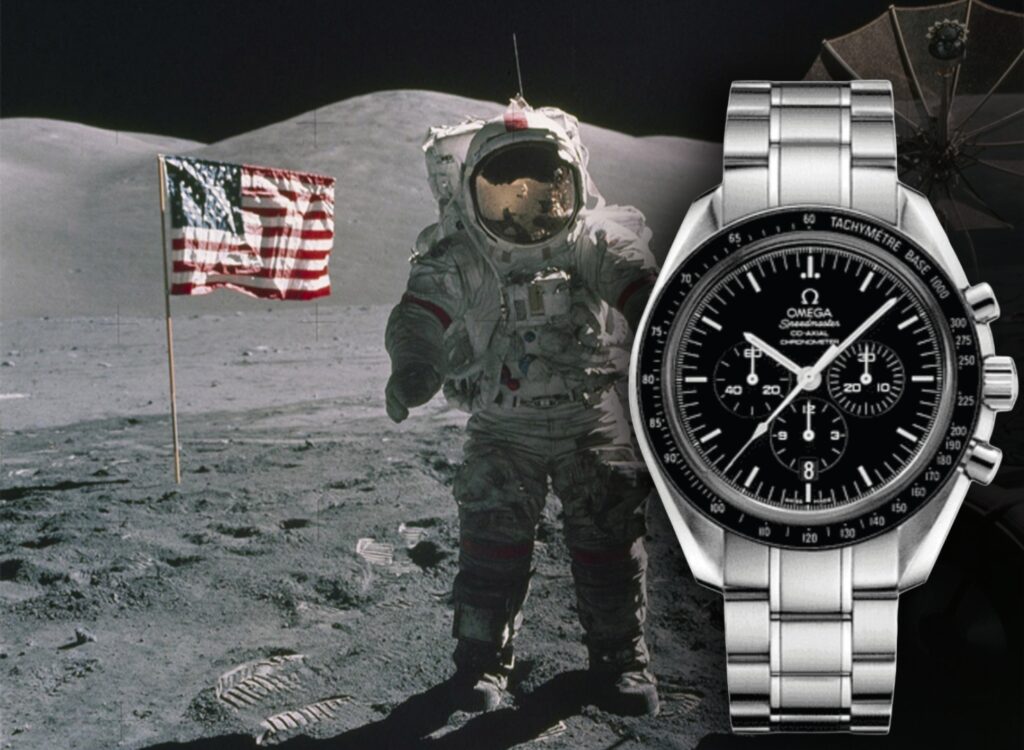
Omega, with roots tracing back to 1848, was established by Louis Brandt in La Chaux-de-Fonds, Switzerland. Omega’s reputation was built on accuracy and innovation, becoming the official timekeeper of the Olympic Games in 1932. Perhaps Omega’s most famous moment came in 1969 when the Speedmaster became the first watch worn on the moon during NASA’s Apollo 11 mission. This accomplishment cemented Omega’s place in horological and cultural history.
How to Choose Between Rolex and Omega?
When deciding between Rolex and Omega, consider your lifestyle, purpose, and budget:
- Budget: Are you looking for a long-term investment (Rolex) or an accessible luxury option (Omega)?
- Lifestyle: Do you need a robust dive watch (Submariner or Seamaster) or a versatile everyday watch (Datejust or Aqua Terra)?
- Brand Value: Are prestige and exclusivity your priority (Rolex), or do you value innovation and cutting-edge tech (Omega)?
Craftsmanship and Innovation
Both brands excel in craftsmanship but have distinct philosophies.
Rolex focuses on perfecting and refining classic designs, such as the Submariner and Datejust. Every component is manufactured in-house, ensuring unparalleled quality. Rolex uses proprietary materials like Oystersteel and patented technologies like the Cerachrom bezel, known for their durability and elegance.
Omega, in contrast, is a leader in technical innovation. The Co-Axial escapement, developed by Omega, reduces friction, enhancing accuracy and longevity. Omega also experiments with materials like Liquidmetal and ceramic, pushing boundaries in modern watchmaking. While Rolex leans toward tradition and consistency, Omega embraces innovation and versatility.
Historical Timeline Comparison
Rolex:
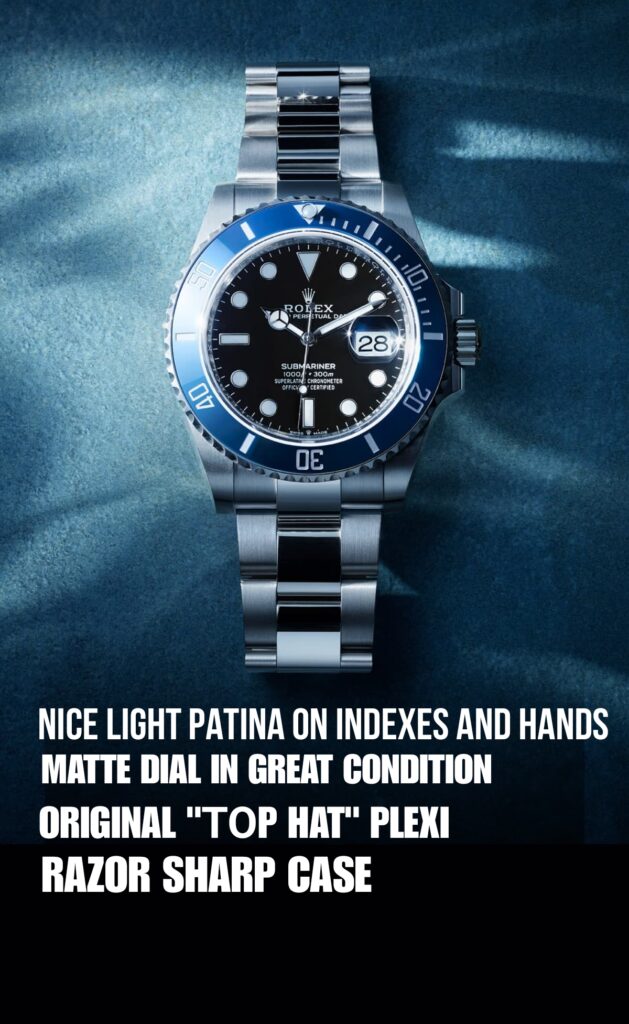
- 1926: First waterproof watch (Oyster).
- 1945: Launch of the Datejust, the first watch with an automatically changing date.
Omega:
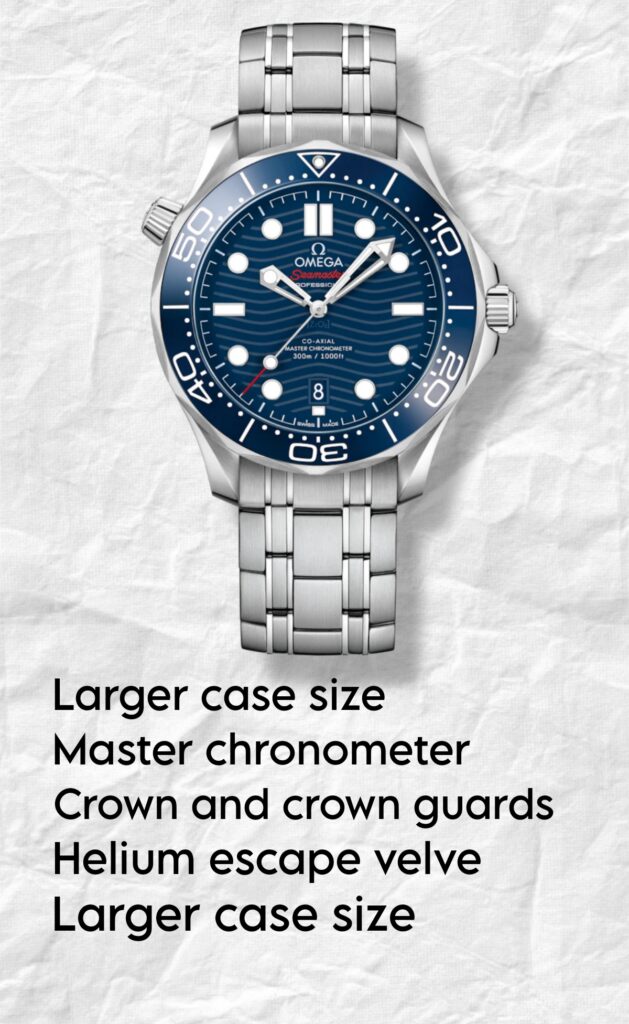
- 1932: Official timekeeper for the Olympics.
- 1969: First watch on the moon (Speedmaster).
Design and Aesthetics
Rolex watches are known for their timeless and understated elegance. Iconic models like the Submariner, Datejust, and Daytona maintain a universal appeal, balancing luxury and practicality. Rolex’s design philosophy revolves around evolution rather than revolution, ensuring its watches remain perpetually desirable.
Omega offers a broader spectrum of designs. Collections like the Seamaster and Speedmaster reflect bold, modern aesthetics, appealing to adventurers and enthusiasts alike. Omega’s versatility allows it to cater to diverse tastes, from sporty to sophisticated.
Comfort and Wearability
Rolex watches are designed for comfort and durability. The Oyster case and bracelet ensure a snug, secure fit, while innovations like the Easylink extension system allow easy adjustments. Rolex watches are known for their balanced weight and ergonomic design, making them suitable for all-day wear.
Omega matches Rolex in comfort with ergonomic designs and lightweight materials. Silicone straps, adjustable clasps, and a variety of case sizes make Omega watches comfortable for different wrist sizes. Their commitment to practicality enhances the wearability of both sporty and formal models.
Affordability and Investment
Rolex is often viewed as an investment due to its high resale value and limited production. Iconic models like the Submariner and Daytona are not just timepieces—they are collectibles. The initial cost of a Rolex is higher, but many models appreciate in value over time, making them a symbol of both luxury and financial foresight.
Omega offers a more affordable entry point into the world of luxury watches. While Omega watches typically retain their value well, they don’t appreciate as significantly as Rolex. However, Omega’s competitive pricing makes it a compelling choice for those seeking exceptional quality without the hefty price tag.
Maintenance and Longevity Tips
Both Rolex and Omega require regular maintenance to retain their performance and value. Here are some tips:
- Service your watch every 5–10 years.
- Avoid exposing it to extreme conditions.
- Clean it gently with a microfiber cloth.
- Store it in a watch box or winder when not in use.
Cultural Significance
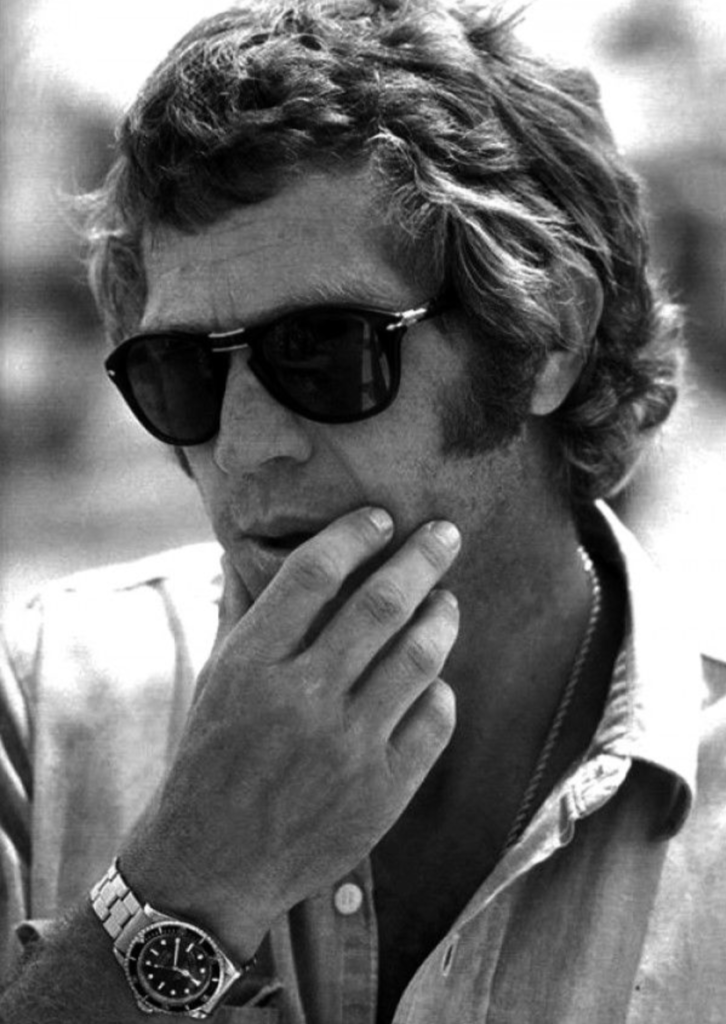
Rolex is synonymous with achievement and prestige. From being worn by Sir Edmund Hillary during the first ascent of Mount Everest to gracing the wrists of celebrities like Paul Newman and Roger Federer, Rolex represents timeless success. Early James Bond films further solidified Rolex’s connection to adventure and luxury.
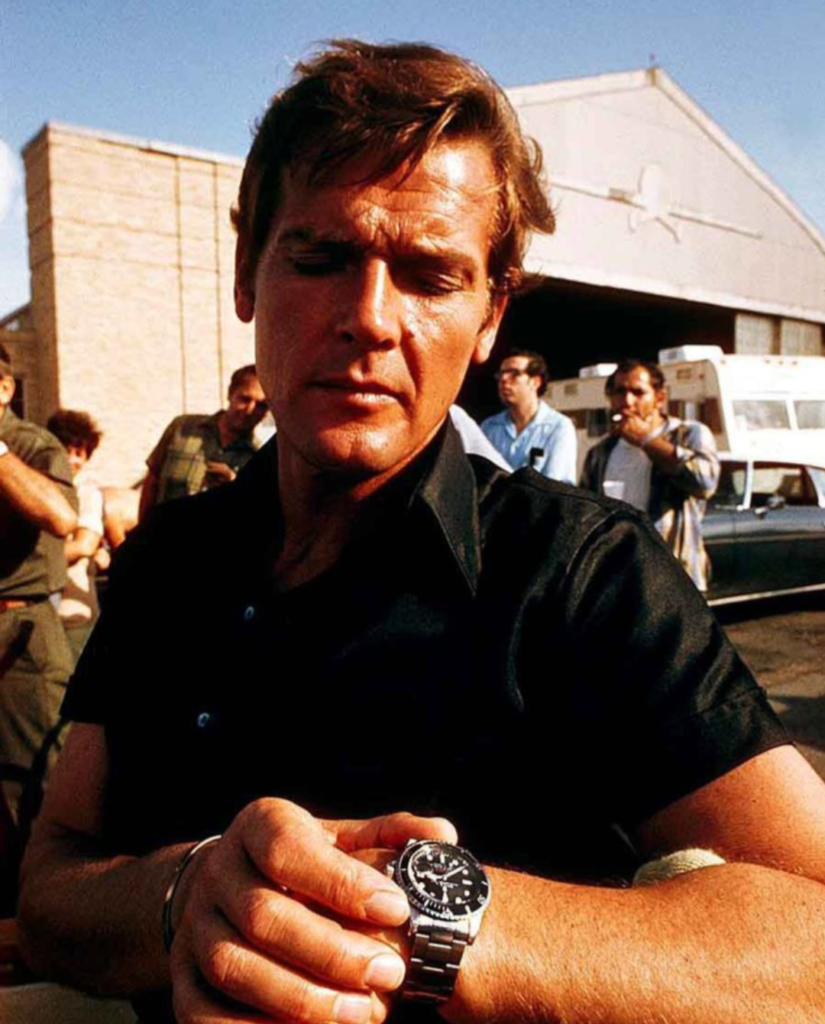
Omega, too, has an illustrious cultural legacy. Its association with space exploration, particularly the Apollo missions, earned it the nickname “Moonwatch.” Omega is also the official timekeeper of the Olympic Games and has been featured as James Bond’s watch in recent films. These associations highlight Omega’s adventurous and innovative spirit.


Personal Stories or Testimonials
Famous personalities and collectors often favor Rolex and Omega for their legacy and design:
- Buzz Aldrin wore an Omega Speedmaster during the Apollo 11 mission.
- Paul Newman’s Daytona Rolex remains one of the most coveted watches in auction history.
Rolex vs. Omega: Comparing Their Top 5 Watches
When it comes to luxury watches, Rolex and Omega have produced some of the most iconic and sought-after models in the world. Each brand has flagship collections that cater to different tastes and needs, from professional dive watches to timeless dress pieces. Below is a head-to-head comparison of the five best watches from Rolex and Omega.
1. Rolex Submariner vs. Omega Seamaster Diver 300M
- Overview: Introduced in 1953, the Submariner is the archetype of dive watches. It features a classic design, unmatched durability, and a robust water resistance of 300 meters.
- Notable Features: Cerachrom bezel, Chromalight luminescence, and Rolex’s in-house Caliber 3230 or 3235 movements.
- Why It’s Popular: It’s both a tool watch and a status symbol, loved by divers and collectors alike.
- Overview: Launched in 1993 and revitalized with its role in James Bond films, the Seamaster Diver 300M is Omega’s flagship dive watch.
- Notable Features: Co-Axial escapement, helium escape valve, ceramic bezel, and wave-patterned dials.
- Why It’s Popular: It combines cutting-edge technology with a sleek, modern design, making it a favorite among adventurers and Bond fans.
Conclusion: The Submariner is the go-to choice for timeless luxury, while the Seamaster Diver 300M offers contemporary style and innovation.
2. Rolex Daytona vs. Omega Speedmaster Professional (Moonwatch)
- Overview: Introduced in 1963, the Daytona is an iconic chronograph designed for motorsport enthusiasts.
- Notable Features: High-performance Caliber 4130, tachymeter bezel, and a sleek, versatile design.
- Why It’s Popular: Its association with Paul Newman and limited production make it a collector’s dream.
Omega Speedmaster Professional (Moonwatch)
- Overview: The Speedmaster Professional gained fame as the first watch worn on the moon during Apollo 11 in 1969.
- Notable Features: Manual-winding Caliber 3861, hesalite or sapphire crystal, and unmatched space legacy.
- Why It’s Popular: Known as the “Moonwatch,” it’s a symbol of exploration and precision.
Conclusion: The Daytona is a motorsport legend with modern luxury appeal, while the Speedmaster’s historic connection to space exploration makes it a timeless classic.
FAQs
- Do Omega watches hold their value? While they retain value well, they don’t appreciate as significantly as Rolex.
- Why are Rolex watches so expensive? Rolex uses in-house components, proprietary materials, and maintains limited production, enhancing their exclusivity.
- Which is better for adventure: Rolex or Omega? Omega’s technical innovations, such as the Co-Axial escapement, make it ideal for adventurers, while Rolex offers proven durability.
Conclusion
Whether you choose Rolex or Omega, you’re guaranteed a masterpiece of horology. For those seeking luxury at a more accessible price point, don’t miss our post on Affordable Luxury Watches.
- Rolex dominates in timeless appeal, investment potential, and understated luxury. Watches like the Submariner, Daytona, and Datejust are icons in their own right.
- Omega excels in innovation, versatility, and technical advancements. Models like the Speedmaster, Seamaster Diver 300M, and Planet Ocean GMT cater to modern adventurers and tech enthusiasts.
Both brands offer extraordinary watches, and whether you choose Rolex or Omega, you’re guaranteed a masterpiece of horology.

